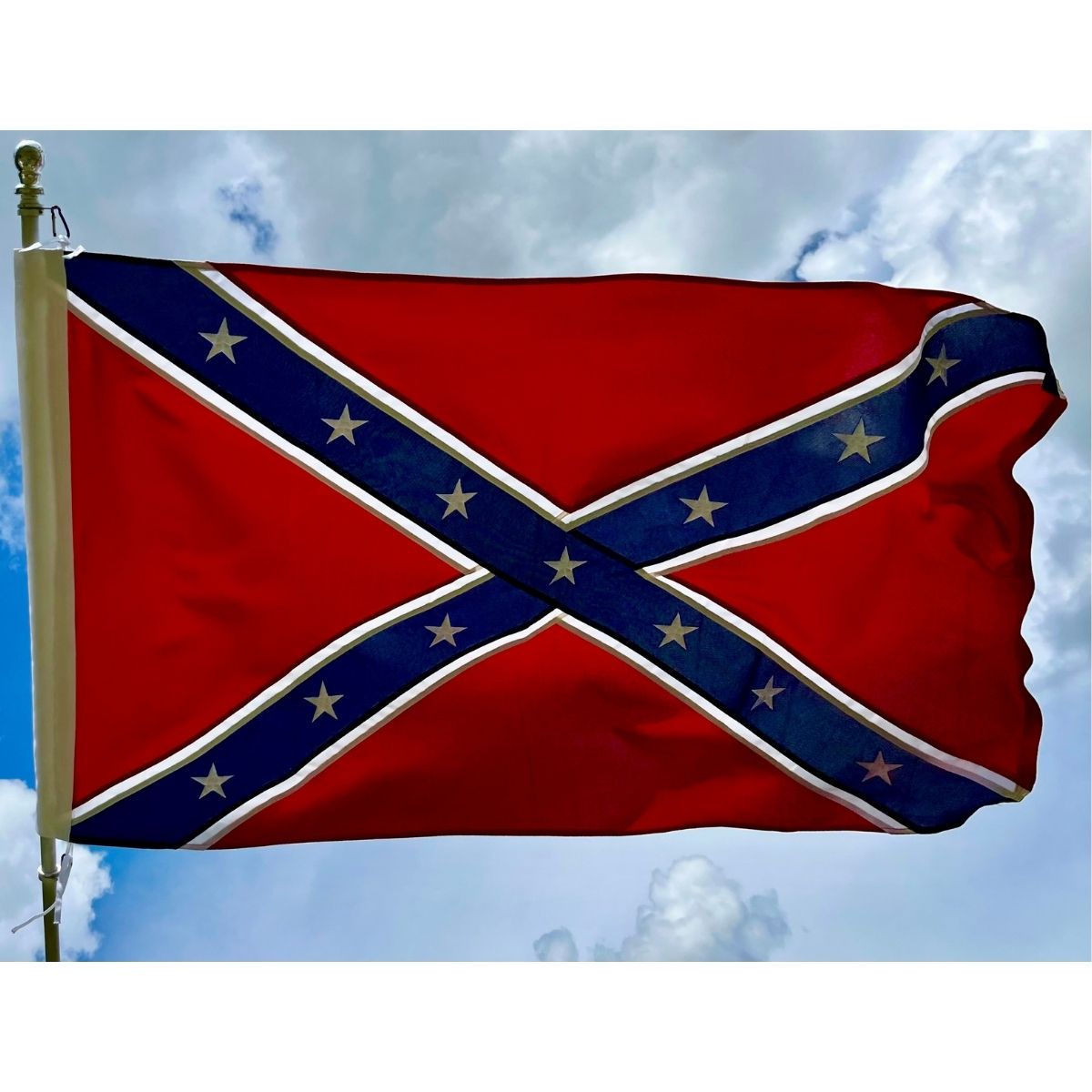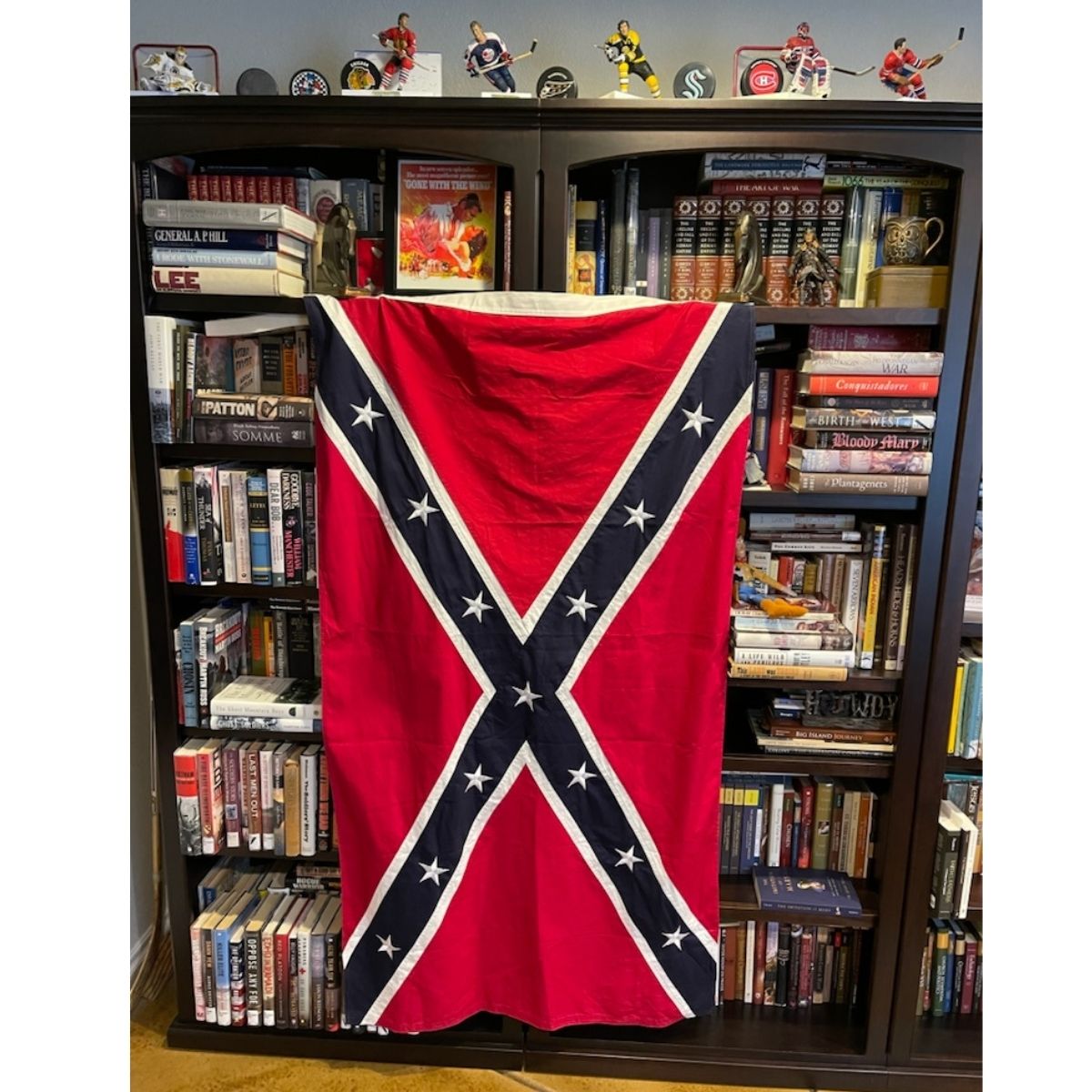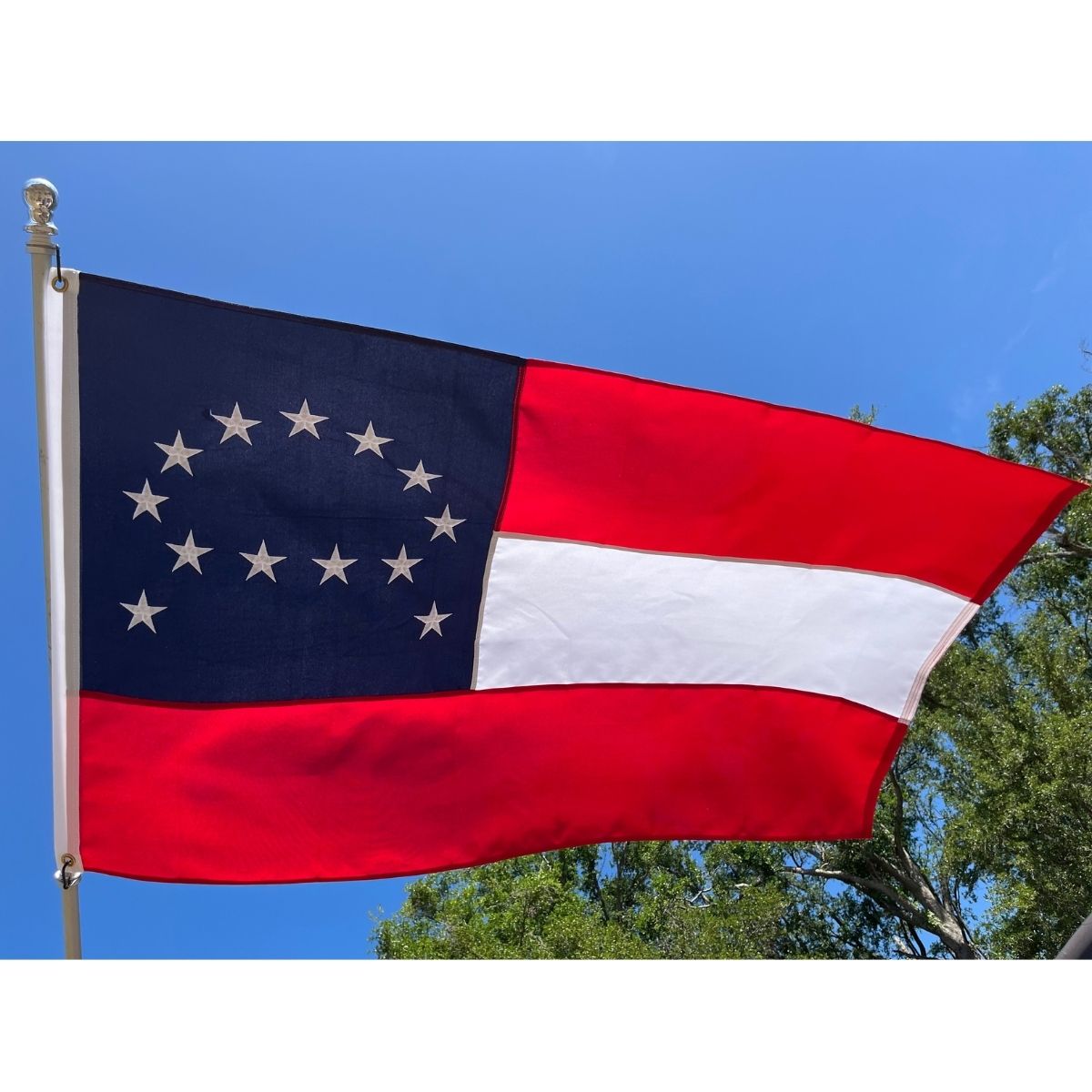
Questions about Confederate Flag legality continue in modern America. Confederate flags are generally protected by free speech laws in the United States, but schools, government buildings, sports organizations, and workplaces may limit displays of Confederate symbols. Confederate flags at Ole Miss and Confederate flags at National Park Service sites have also created public discussion.
Stainless BannerMany people also study Confederate Flag colors meaning. The red field of the Battle Flag of Northern Virginia represented courage and sacrifice to many Confederate soldiers. White stars represented Confederate states while the blue diagonal cross made the design easier to recognize during battle. The Confederate Flag evolution from the Stars and Bars to later designs shows how military needs influenced Confederate symbols throughout the Civil War.
Confederate general P. G. T. Beauregard strongly supported creating a separate battle design for military use. This effort led to the Confederate Battle Flag that most people recognize today. The best known version became the Battle Flag of Northern Virginia carried by Robert E. Lee and the Army of Northern Virginia. Stonewall Jackson and J. E. B. Stuart also fought beneath this battle flag during major Civil War battles including Gettysburg, Antietam, and Shiloh.
Many people ask about Confederate Battle Flag meaning. During the Civil War, the battle flag mainly served as a military symbol used to organize Confederate forces on the battlefield. Confederate regimental flags and Confederate division flags also helped commanders identify troop positions during combat. Civil War Confederate flags were critical tools for communication during battles filled with smoke, noise, and confusion.
Many people ask, “What does the Confederate Flag stand for today?” The answer depends on personal beliefs and historical interpretation. Some people view the Rebel Flag as a symbol of Southern heritage, military sacrifice, family history, and country culture. Others associate Confederate symbolism with slavery, segregation, racism debate, and political symbolism. This disagreement continues to fuel the larger Confederate Flag controversy in modern America.
Jackson also fought at major battles including Antietam, Fredericksburg, Chancellorsville, and Second Bull Run. Confederate regimental flags and Confederate division flags helped organize soldiers during these battles. Civil War Confederate flags played an important role in communication because smoke and confusion often covered battlefields.
Many people ask, “What does the Confederate Flag stand for?” The answer depends on who is speaking.
Many people ask, “What does the Confederate Flag stand for?” The answer often depends on historical interpretation and personal belief. Some people view the Rebel Flag as a symbol of Southern heritage, military sacrifice, family history, and country culture. Others connect Confederate symbolism to slavery, segregation, racism debate, and political symbolism. Because of this disagreement, the Confederate Flag controversy remains active today.
The Confederate Navy also used separate flag designs during the Civil War. The Confederate Naval Jack and Confederate Navy Jack appeared on Confederate ships and naval stations. Different Confederate flags existed for different branches of military service and battlefield operations throughout the war.
People also study Confederate Flag colors meaning. The red background of the Battle Flag of Northern Virginia represented courage and sacrifice to many Confederate soldiers. White stars symbolized Confederate states while the blue diagonal cross helped the flag stand out during battle. The Confederate Flag evolution from the Stars and Bars to later designs shows how military needs shaped Confederate symbols during the Civil War.
Many people also study Confederate Flag colors meaning. The red background of the Battle Flag of Northern Virginia represented courage and sacrifice to many Confederate soldiers. National Park Service White stars symbolized Confederate states while the blue diagonal cross made the design easier to recognize during battle. The Confederate Flag evolution from the Stars and Bars to later national flags shows how Confederate symbols changed during the Civil War.
The American Civil War officially ended at Appomattox Court House when Robert E. Lee surrendered to Union general Ulysses S. Grant. After the war and during the Reconstruction Era, Confederate Veteran Flags continued appearing at reunions, memorial ceremonies, and cemetery events across the South.
One of Stonewall Jackson's most famous victories came during the Battle of Chancellorsville in May 1863. Robert E. Lee divided his smaller Confederate Army and sent Jackson on a surprise attack against Union forces. Jackson's troops struck the Union flank and caused major confusion among Union soldiers. Historians often consider this battle one of Lee and Jackson's greatest military victories.
Confederate generals including P. G. T. Beauregard supported a new battle design that would be easier to recognize on the battlefield. The result became the famous Confederate Battle Flag with a red background, blue diagonal cross, and white stars. The design was carried during major battles including Gettysburg, Antietam, and Shiloh. Confederate soldiers under Stonewall Jackson and J. Arkansas E. B. Stuart fought beneath this flag during some of the bloodiest battles of the war.
People also study Confederate Flag colors meaning and Confederate Flag evolution. The red field of the Battle Flag of Northern Virginia represented courage and sacrifice to many Confederate soldiers. White stars symbolized Confederate states while the blue diagonal cross helped the flag stand out during battle. Confederate regimental flags and Confederate division flags also became important military symbols during the war.
Groups such as the Sons of Confederate Veterans and the United Daughters of the Confederacy helped preserve Confederate memorials, Confederate monuments, and historical battlefields. Historical preservation became a major issue in many Southern communities after the Civil War ended.
Another common question is, “Do people still fly Confederate flags?” Yes, many people still display Confederate flags today. Confederate flags can be seen at private homes, historical reenactments, collectors shows, and memorial events. Some people also use outdoor Confederate flags, large Rebel Flags, Confederate Flag banners, and Confederate Flag pole kits for display purposes.
One of the most important events in Lee's military career came during the Battle of Gettysburg in July 1863. Lee invaded Pennsylvania hoping to win a major victory on Northern soil. After three days of fighting, Union forces led by General George G. Meade defeated the Confederate Army. Historians often consider Gettysburg a turning point in the American Civil War.
Many historians continue studying Confederate Flag history and Confederate Flag evolution to better understand how these symbols developed during and after the Civil War. The debate over Confederate monuments, Confederate memorials, and Confederate symbolism remains active across the United States today. Whether viewed as historical artifacts, military symbols, or controversial political images, Confederate flags continue to hold a major place in American history and public discussion.
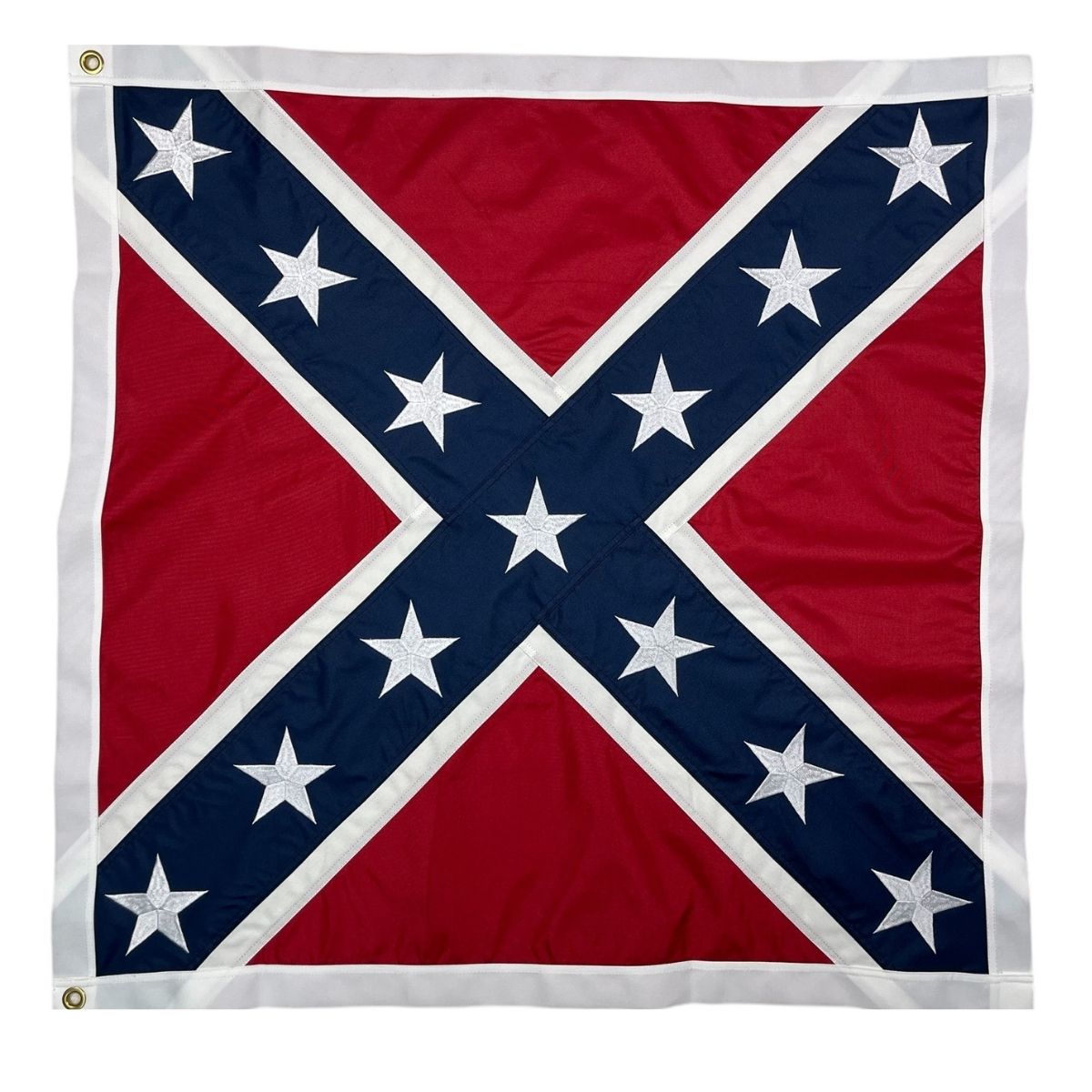
People often ask, “Why do people fly Confederate flags today?” The answers vary. Some people see the Rebel Flag as a symbol of Southern heritage, family history, military remembrance, country culture, or regional pride. Others connect the Confederate Flag controversy to slavery, segregation, racism debate, and political symbolism.
This effort led to the Confederate Battle Flag. The most famous version became the Battle Flag of Northern Virginia used by Robert E. Lee and the Army of Northern Virginia. The design included a red background with a blue diagonal cross and white stars. Confederate troops under Stonewall Jackson and J. E. B. Stuart carried this flag during major battles including Gettysburg, Antietam, and Shiloh.

Questions about Confederate flags in public spaces often appear in modern news stories. Confederate flags at Ole Miss became part of campus discussions for many years. The National Park Service has also reviewed how Confederate flags are displayed at historical sites and battlefields. Confederate flags in NASCAR remained common among some racing fans until NASCAR banned Confederate flags from official events in 2020.
The American Civil War ended at Appomattox Court House when Robert E. Lee surrendered to Ulysses S. Grant. After the war, Confederate flags continued appearing at veterans reunions, memorial services, and historical events during the Reconstruction Era. Confederate Veteran Flags became symbols used by former Confederate soldiers and their families.
The Confederate Navy used additional flag designs during the war.
The Confederate States of America formed in 1861 after Southern states left the United States. South Carolina became the first state to secede, followed by Mississippi, Florida, Alabama, Georgia, Louisiana, Texas, Virginia, Arkansas, Tennessee, and North Carolina. Jefferson Davis became president of the Confederate government while Abraham Lincoln led the United States during the American Civil War.
Today, historians continue studying Confederate Flag history, Confederate symbolism, and the role of Civil War Confederate flags in American history. The debate over Confederate monuments, Confederate memorials, and Confederate flags remains active across the United States. Whether viewed as a military symbol, historical artifact, or controversial political image, the Confederate Battle Flag remains one of the most recognized symbols connected to the American Civil War.
The most famous Confederate Battle Flag used by Lee's army became known as the Battle Flag of Northern Virginia. This design featured a red background with a blue diagonal cross and white stars. Confederate generals including Stonewall Jackson and J. E. B. Dixie Flag Stuart fought under this battle flag during major battles such as Gettysburg, Antietam, Bull Run, and Shiloh. Civil War Confederate flags helped soldiers recognize troop positions during battle because smoke and confusion often made communication difficult.
Today, Confederate flags remain connected to ongoing discussions about Southern heritage, Confederate symbolism, historical preservation, and American history. Historians continue studying the Confederate Army, Union Army, Jefferson Davis, Robert E. Lee, Nathan Bedford Forrest, William Tecumseh Sherman, and major Civil War battles to better understand the meaning and history behind Confederate flags. Whether viewed as military artifacts, historical symbols, or controversial political images, Confederate flags remain an important part of conversations about the American Civil War and the history of the Southern United States.
A related question is, “Is the Confederate Flag racist?” Historians agree that slavery played a major role in the creation of the Confederate States of America. Because of this history, many people associate the Confederate Flag with racism and discrimination. Ultimate Flags - Why Are There Confederate Flags in Europe? Others argue that they personally display the flag for historical or family reasons rather than racial beliefs. This issue remains part of the larger Confederate Flag controversy.
Groups including the Sons of Confederate Veterans and the United Daughters of the Confederacy worked to preserve Confederate memorials, Confederate monuments, military graveyards, and historical records. Historical preservation became a major focus for many Southern communities after the war.